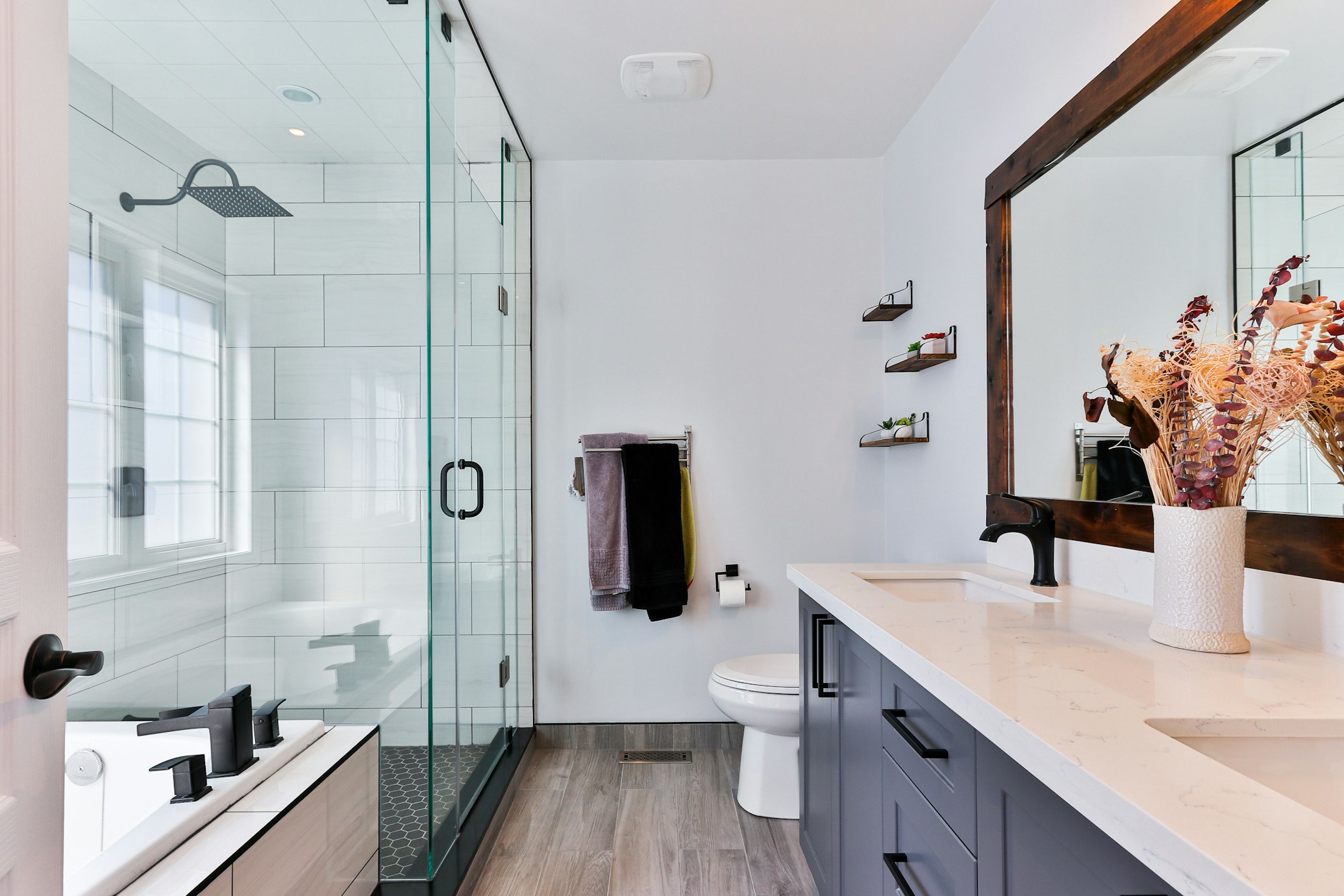
There is a distinct irony in the modern obsession with Brutalism. A movement born from the post-war necessity for cheap, raw materials—concrete, steel, glass—has evolved into the ultimate signifier of luxury. But nowhere is this contradiction more compelling than in the bathroom.
The bathroom is traditionally a space of softness. Fluffy towels, warm water, scented steam. Yet, leading interior architects are stripping these spaces back to their elemental bones. The result? A cavernous, almost monastic atmosphere that forces the mind to quiet down.
The Architecture of Silence
"Concrete absorbs sound differently than tile," explains architect Marcus Fenty. "In a fully tiled bathroom, sound bounces. It's frantic. In a concrete space, there is a dullness, a heaviness to the air that feels immediately grounding."
"We crave texture. When the walls are hard, the touch of a towel or tissue becomes electric."
This is where the interplay of texture becomes paramount. In a room defined by grey slate and cold stone, the soft elements must work harder. They are no longer just functional items; they are the counter-balance.

Rose & Oud.
The deep, resinous scent of Oud wood perfectly complements raw concrete environments, adding warmth to the cold.
Curating the Void
To achieve this look, one must embrace the void. Countertops should remain empty. The clutter of daily life—toothbrushes, lotions, combs—must be hidden away in seamless cabinetry. What remains visible must be sculptural.
When we remove the visual noise, we heighten our other senses. The smell of damp stone. The warmth of the heated floor. The scent of the roll. It is not about emptiness; it is about making space for feeling.